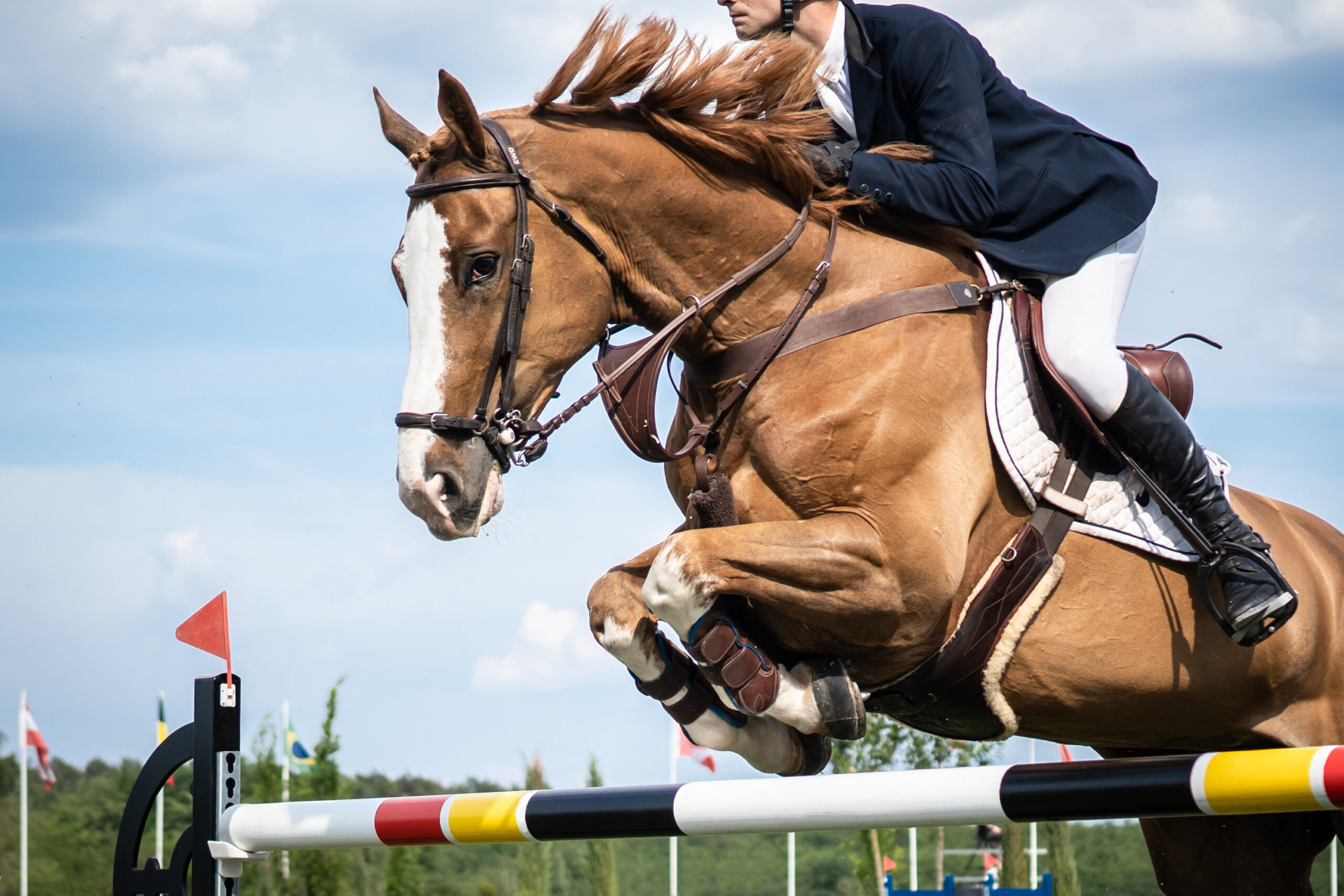
Nutrition & Senior
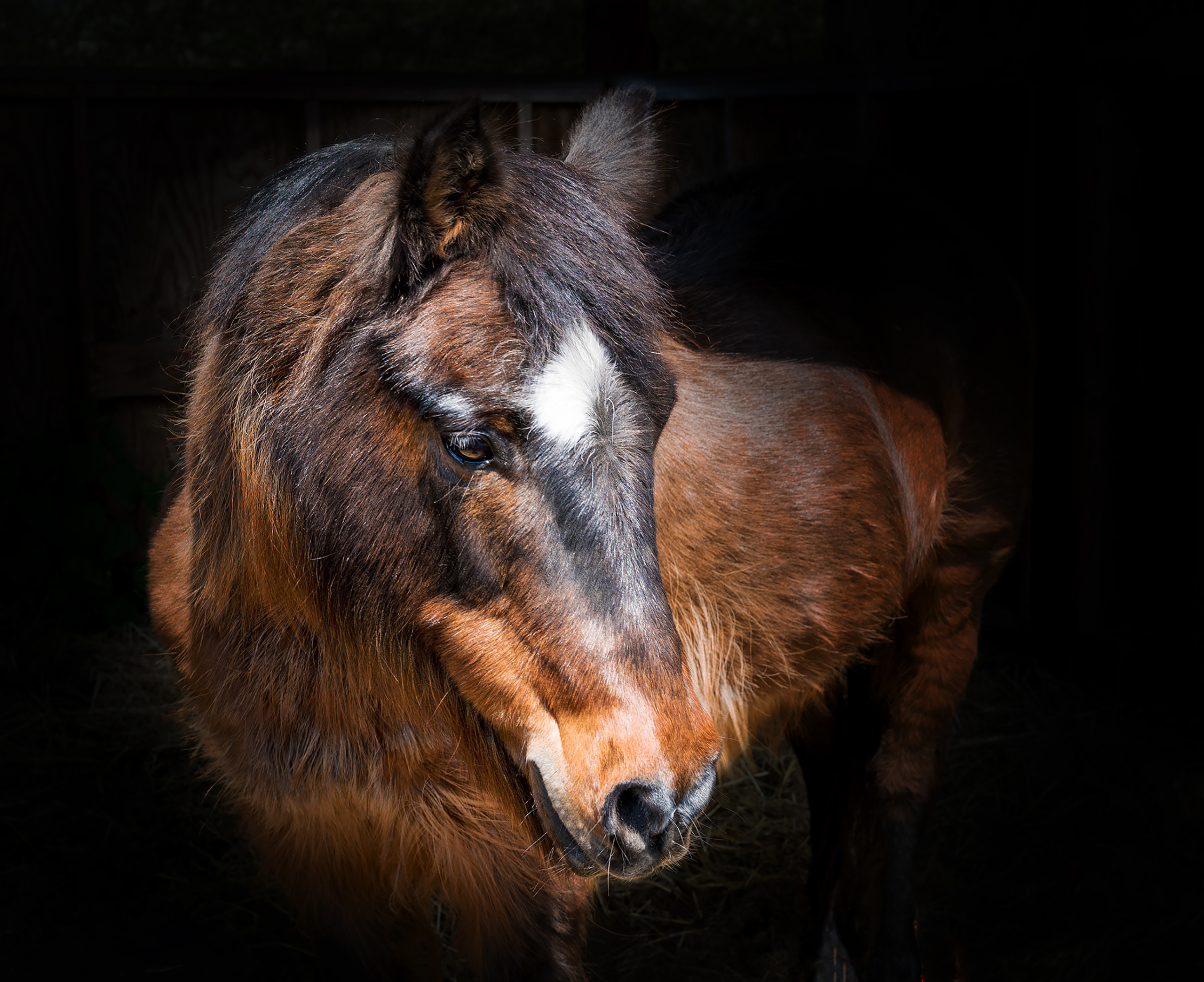
From the age of 20, a horse's body slowly starts to change. An older horse's metabolism works less efficiently. As a result, the absorption of nutrients, vitamins and minerals becomes less. Muscles become less muscular, they become either too lean or too fat quickly. In addition, the function of liver and kidneys, among others, deteriorates. To keep your senior in good condition as long as possible, adjustment of the ration is important.
In this blog, we offer advice on how to use nutrition and supplements to keep your senior in good shape.
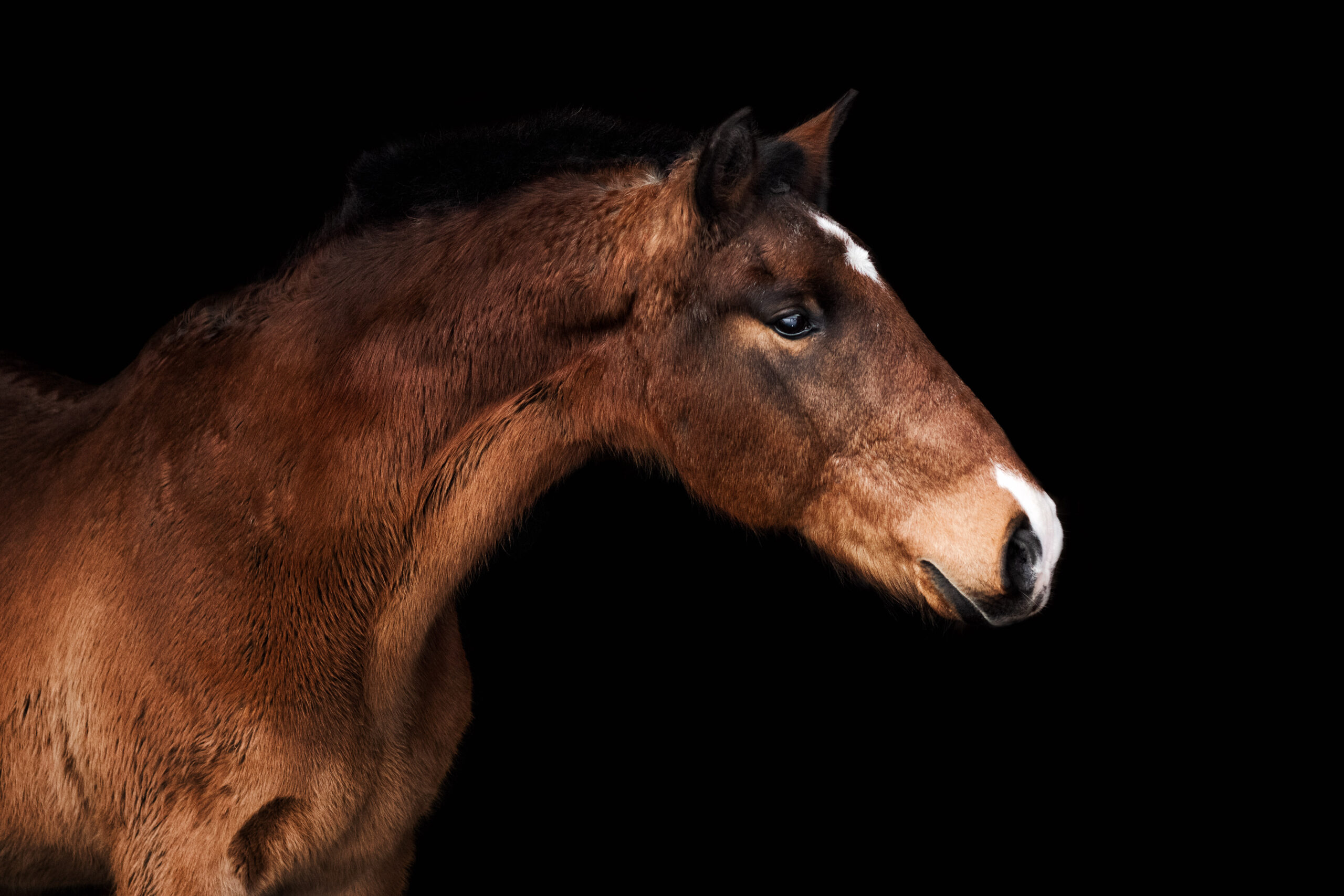
Nutrition & senior; Condition and muscle loss
Horses that lose too much condition benefit from a supplement of extra energy, high-quality protein and fats. Extra energy in the form of sugars and/or starch is not recommended, because of the reduced metabolism. This increases the risk of insulin resistance or laminitis. Instead, fat, in the form of oil is a suitable source of energy, for example linseed oil. To support your horse's muscles, a high-quality protein source is needed with the essential amino acids lysine, threonine and methionine. HorseAdds Proti+ is a rich and tasty protein source. You can also choose our HorseAdds Powerlinwhich consists of extruded linseed and rapeseed meal. A good combination of fat and protein. No mess with flaxseed oil.
For severe muscle loss, a supplement with optimal amino acid profile is recommended, as found in our HorseAdds Muscle Build. Be careful not to feed too much protein; too much protein is stressful to the kidneys.
Nutrition & senior; bone density
Older horses have a higher requirement for Calcium, Phosphorus and Magnesium. This is due to decreased metabolism and decreasing bone density.
Until a horse is fully grown, its bone mass increases. This requires sufficient building materials and exercise. Good bone density is important for skeletal strength. As the horse ages, bone density decreases. This is a natural process of aging. However, bone is the largest store of Calcium, Phosphorus and Magnesium for horses . When bone density decreases, this storage becomes smaller, allowing less to be drawn from supplies. In addition, absorption from the diet is also less. This is why it is important that the ration contains sufficient Calcium, Phosphorus and Magnesium. Vitamin D contributes to the absorption of Calcium in the intestine. Want to know if your horse's ration contains enough of these minerals? You can always email us for nutritional advice.
Nutrition & senior; aging ailments
Joint problems
Osteoarthritis is a condition that is also common in older horses. With osteoarthritis, there is damage to joints and cartilage. Osteoarthritis is a chronic condition and cannot be cured. However, the symptoms and complaints of osteoarthritis can be relieved and the inflammatory process going on in and around the joint can be slowed down. For example, in the early stages of osteoarthritis, a horse can benefit from anti-inflammatories, special shoeing and also supplements such as Glucosamine, MSM and Devil's Claw.
Metabolism
Due to decreased metabolism, conditions such as PPID, Insulin Resistance and laminitis are more common in older horses. Read more about these conditions and how to best support your horse through nutrition and supplements in our other blogs.
Nutritional advice
Would you like nutritional advice for your senior? Fill out the Application for Nutritional Advice and Custom Made with no obligation and mail it to info@horseadds.com.
We will contact you a.s.a.p. to discuss your needs and options.
If you have had a forage analysis or blood test done, it is recommended that you send the results of these as well. The more information we have, the better we can advise you.