
Insulin resistance in horses: Why short and dry grass is not as harmless as it seems
The drought is currently playing tricks on many horse owners in the Netherlands. Due to the recent drought, grass is growing poorly in many areas. Combined with cold nights and sunny days, the little grass left can contain extra sugar. This increases the risk of insulin resistance in horses, which in turn can lead to an increased risk of laminitis and other metabolic problems. In this blog, we explain what exactly is happening, why the risk is now increased and what you can do to support your horse.
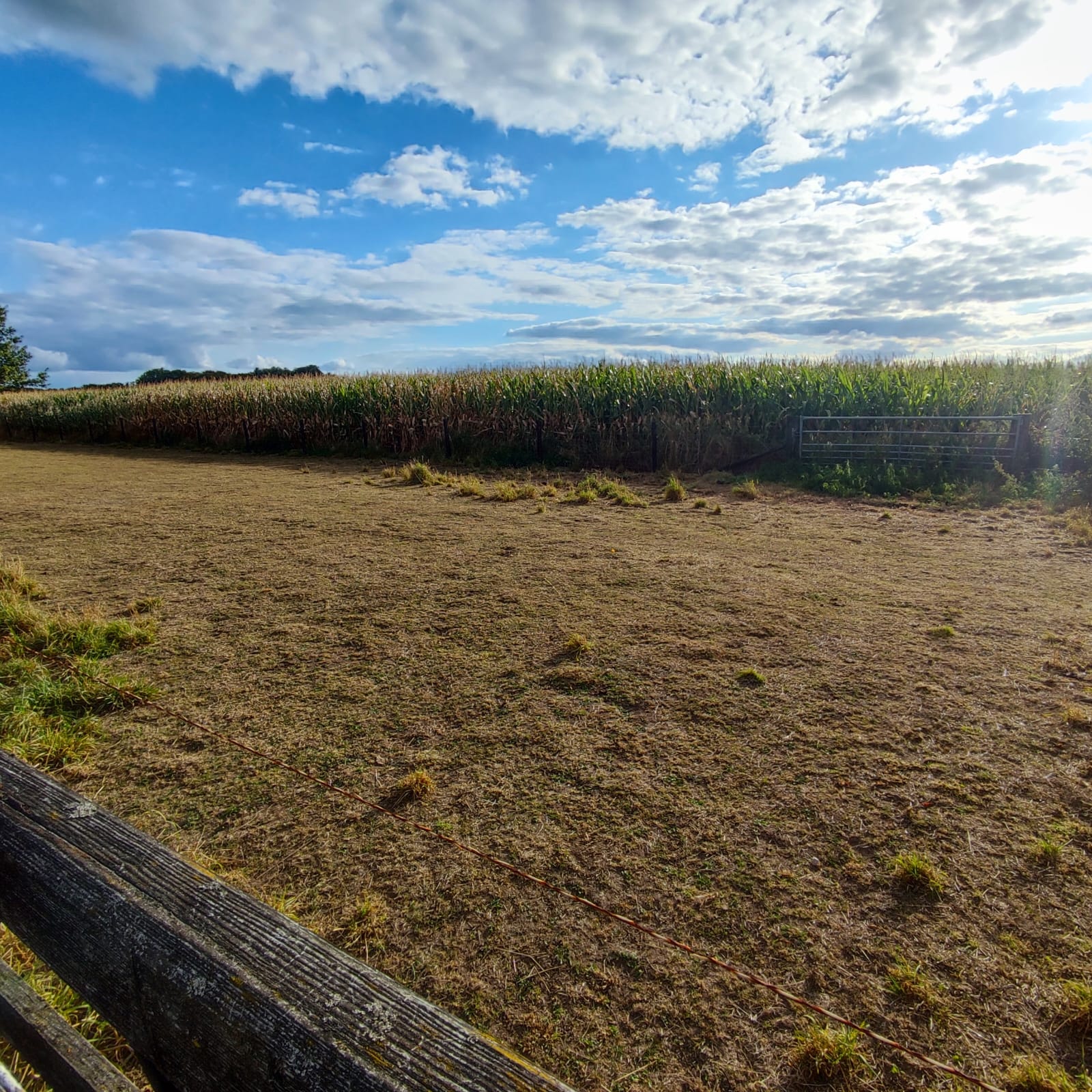
Sugary grass due to drought
Due to the ongoing drought, grass is barely growing in many areas. Cold nights and sunny days cause the grass to produce a lot of sugars during the day, but cannot process them properly at night. As a result, the sugar content in the little grass left is often very high. Horses that are sensitive to sugar are at increased risk of insulin resistance (IR) as a result.
What is insulin resistance (IR)?
Insulin resistance is a metabolic problem in which the body's cells become less sensitive to insulin. This hormone is needed to absorb glucose (sugar) from the blood into the cells. When sensitivity decreases, blood sugar levels remain high and more and more insulin is produced. This sounds harmless, but can have far-reaching consequences.
Excess sugar, such as from grass, concentrates or sugary hay, is associated with an increased risk of obesity and metabolic problems, such as insulin resistance. In sensitive horses, this can potentially contribute to the development of laminitis. The latter in particular is a serious condition where blood flow in the hoof is compromised and painful inflammation can develop. Insulin resistance in horses is sometimes associated with symptoms such as obesity, disrupted coat changes or listless behavior. When combined with hormonal conditions such as EMS or PPID, the risk can be further increased. Always consult your veterinarian for proper assessment.
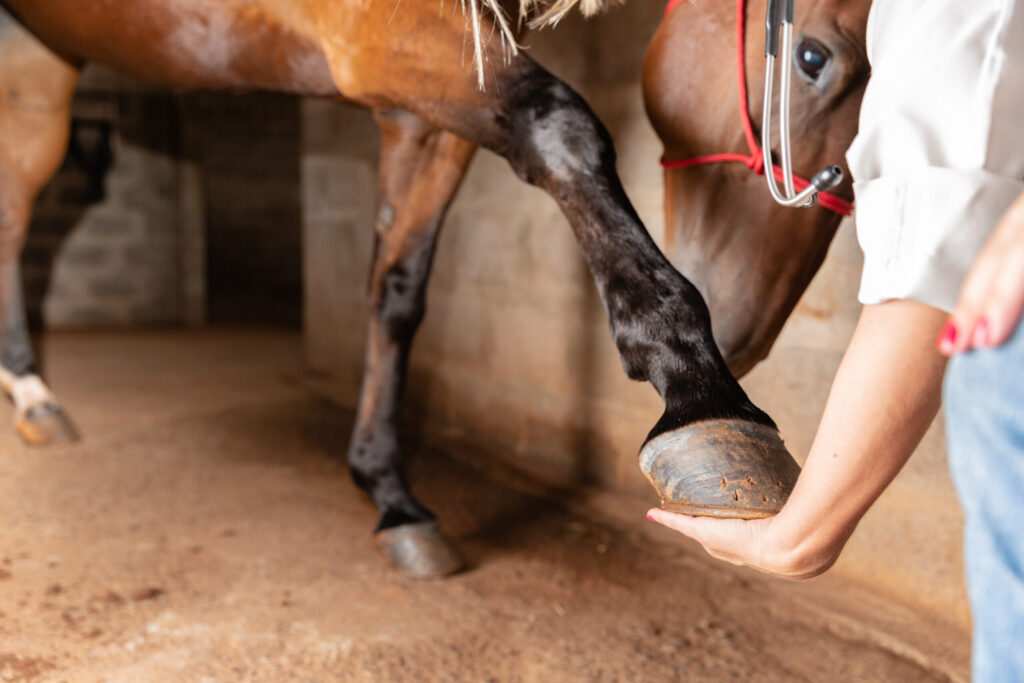
How does insulin resistance develop in horses?
- Genetic predisposition: Some breeds, such as ponies and Arabians, are more susceptible.
- Obesity: Adipose tissue promotes inflammation and interferes with insulin action.
- Sugary rations: Grass, concentrates and hay high in sugar or starch.
- Lack of exercise: Lowers insulin sensitivity.
- Hormonal disorders: such as EMS and PPID (Cushing's disease).
- Magnesium deficiency: Can make cells more insensitive to insulin. Supplements containing magnesium or spirulina are regularly used to support metabolism in horses with increased sugar sensitivity.
What can you do in case of (suspected) IR?
To prevent or control IR, it is important to look critically at your horse's rations. Limit the supply of sugar- and starch-rich feed, such as grain-rich kibble and fresh grass. Instead, choose roughage with a low sugar content. Regular exercise is just as important. Especially walking or riding on hard surfaces stimulates circulation and supports metabolism.

Supplements to support insulin resistance
Horses with insulin resistance benefit from an appropriate ration, adequate exercise and - where necessary - targeted support through supplements. Certain natural ingredients such as magnesium, spirulina and psyllium fiber are regularly used to support sugar metabolism and overall metabolism. Below we explain for each supplement how they can contribute to a more balanced metabolism in horses at increased risk of insulin resistance.
Magnesium and insulin resistance: minor deficiencies, major consequences
Magnesium plays a role in hundreds of processes in the body, including glucose and insulin metabolism. Lower magnesium status is often found in horses with insulin resistance, possibly because the body excretes more magnesium through the urine when insulin levels are elevated.¹
Magnesium contributes to the sensitivity of cells to insulin. When deficient, body cells may not respond as well to insulin, keeping blood sugar levels elevated and causing the body to produce extra insulin.² This process can contribute to the development or maintenance of insulin resistance. By supplementing magnesium in the right form and amount, you can support your horse's body in balancing sugar metabolism, especially when it is already overweight or sensitive to sugary rations.
¹ Nielsen, F. H. (2018). Magnesium deficiency and increased inflammation: current perspectives. Journal of Inflammation Research
² Barbagallo, M., & Dominguez, L. J. (2010). Magnesium and type 2 diabetes. World Journal of Diabetes.
Spirulina to support healthy sugar metabolism
Spirulina is often used to support metabolism in horses at increased risk for insulin resistance. Research shows that spirulina can help improve insulin sensitivity and regulate fat metabolism.¹ This is because spirulina is rich in bioactive compounds, including antioxidants, which may have anti-inflammatory effects. Chronic low-grade inflammation is associated with decreased insulin sensitivity and increased fat storage in the body. By supporting metabolism at the cellular level, spirulina may help balance body weight, especially in horses prone to obesity when combined with sugar-rich feed.
¹ Source: PMC8212345 - Therapeutic effects of Spirulina
Psyllium fiber and insulin resistance: gut support
Psyllium fiber, also available to order from us as psyllium seed (fleawort), is known for its ability to bind water and form a gel-like substance in the gastrointestinal tract. As a result, they slow the absorption of sugars into the blood and support more even blood sugar levels.¹ In horses prone to insulin resistance, this property can be valuable, as spikes in blood sugar - and thus insulin production - are better smoothed out.
In addition, research in humans and animals shows that psyllium may also affect inflammatory processes in the body, which often play a role in metabolic problems such as obesity and reduced insulin sensitivity.² By providing support for intestinal health and sugar metabolism, psyllium fiber may contribute to a more stable metabolic balance in horses.
¹ ScienceDirect: Psyllium Husk and Glycemic Control (2023)
² PMC11155034 - Psyllium and Metabolic Health
Also pay attention to sand uptake in short grass
In addition to the risk of insulin resistance, current pasture management poses another danger: sand ingestion. Because the grass is short, horses often bite it down to the ground or even pull it out with root and all. In the process, a lot of sand comes in unnoticed. If that sand builds up in the digestive tract, symptoms such as colic, reduced nutrient absorption or emaciation may result.
One product that can help get rid of sand is Psyllium, also known as fleawort. Horse Adds has two types in its range, psyllium fiber and psyllium seeds. Psyllium forms a mucilaginous mass in the intestine that carries the sand with it to the outside. A 7- to 10-day course of psyllium can help support normal intestinal passage when sand is absorbed. After that, consider giving psyllium in a low maintenance dose. There are indications that psyllium fiber in small amounts may also affect sugar metabolism. Consult with our nutritional expert or veterinarian about this if necessary.
Want to know more about eating sand? Also read our blog: Help, my horse eats sand!
Summary
The current weather calls for extra attention to your horse's forage and pasture management. Watch for signs of sugar sensitivity, limit sand intake through smart forage management and adjust your supplements if necessary. This will help your horse get through the drought period in a healthy way.