
Description
What is Monk's Pepper
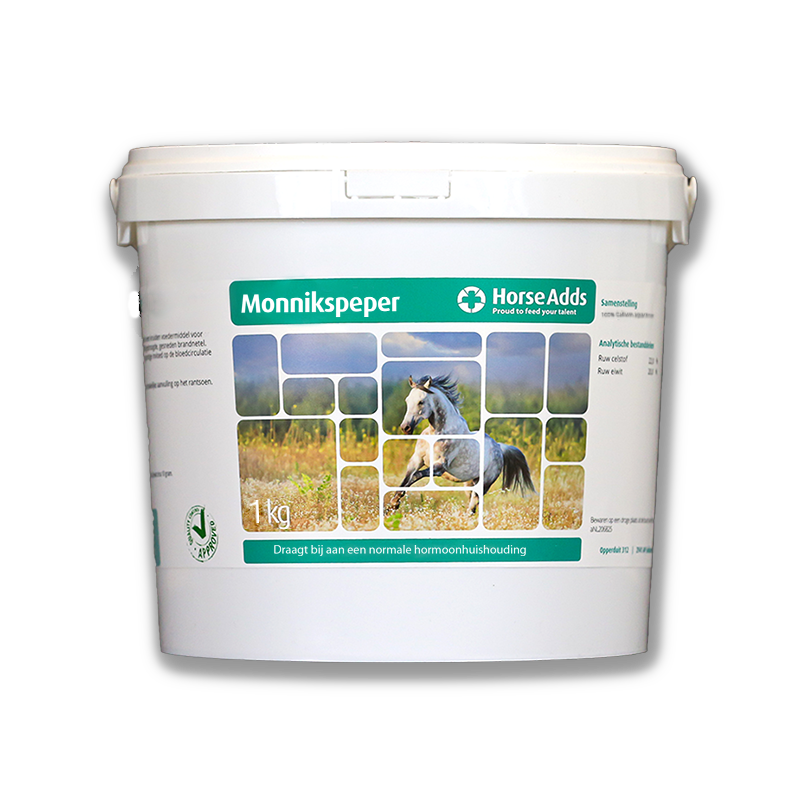
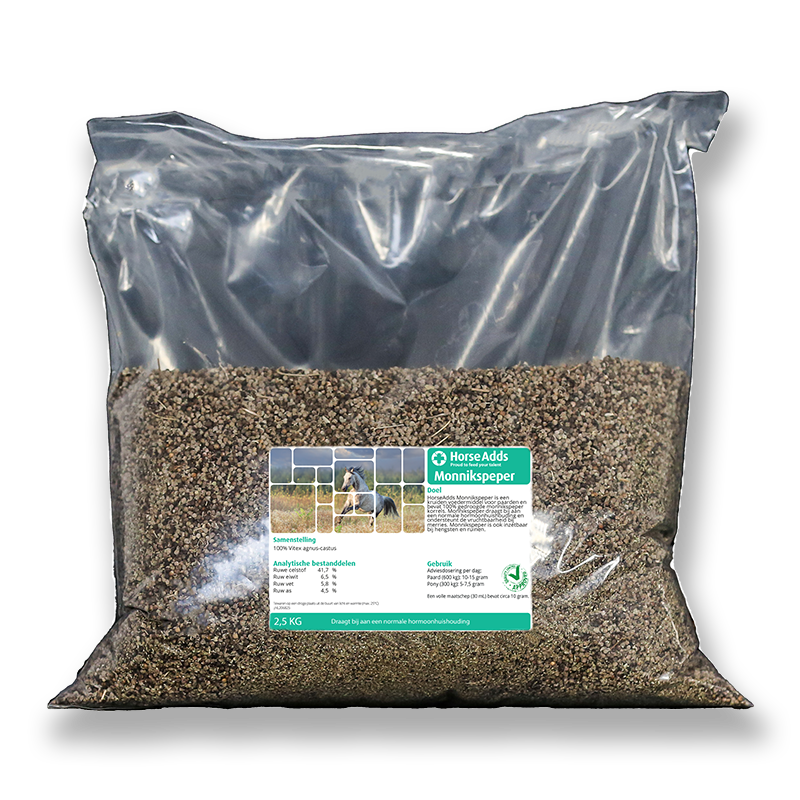
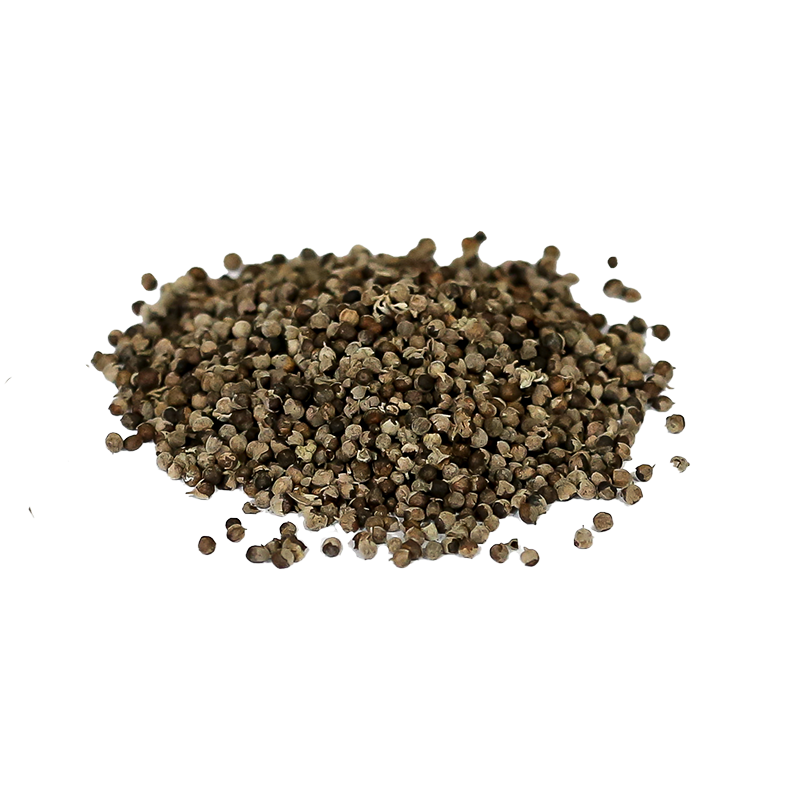
Monk's pepper, also known as Vitex agnus-castus or chaste tree, is a plant often used in herbal medicine. The berries of the monk's pepper plant are dried and processed into supplements used for various health purposes, including in veterinary medicine and especially in horses. The uses of monk pepper in horses are similar to those in humans, mainly because of its hormonal regulating properties. HorseAdds Monk Pepper consists of 100% dried monk pepper grains.
Monk's pepper for horses
Monk's pepper for horses works by acting on the pituitary gland to influence and regulate hormone production. Through this action, it can help mares that suffer from behavioral problems or mood swings associated with the stallion period. It supports a normal cycle in the mare and helps with discomfort prior to, around or during the cycle.
In addition to the well-known properties of monk's pepper to support the mare, monk's pepper is also often used as natural support for horses with Cushing's disease, or PPID (Pituitary Pars Intermedia Dysfunction). In horses with PPID, the function of the hypothalamus and pituitary gland is disturbed, resulting in too little release of dopamine which should inhibit the production of hormones. This in turn leads to high levels of ACTH in the blood which causes health risks for the horse. If you would like to know more about PPID, the disease and tips on how to deal with a horse with PPID we recommend reading our blog.
Monk pepper has an interesting effect on dopamine levels in the body, which is one of the reasons why it can be useful. An overview of how Monk's pepper and dopamine are related:
- Dopamine Effects: Monk pepper contains compounds called dopamine agonists. These compounds can increase dopamine activity in the brain. Dopamine is a neurotransmitter involved in many functions, including mood, motivation and hormone regulation.
- Prolactin Regulation: One of the main effects of increased dopamine activity is the reduction of prolactin production. Prolactin is a hormone produced by the pituitary gland and is involved in milk production, menstrual cycle and reproductive functions. By increasing dopamine levels, monk's pepper can help lower prolactin levels, which can be useful in conditions such as hyperprolactinemia and Cushing's disease in horses.
- Cushing's disease: In horses, Cushing's disease (PPID) is characterized by an overproduction of certain hormones by the pituitary gland. Monk's pepper can help regulate this overproduction by increasing dopamine levels.
Although monk's pepper can be helpful, it is important to consider its use in consultation with a physician or veterinarian, especially since its effects on dopamine levels can be complex and vary between individuals and animals. It is crucial to use the right dosage and monitor possible interactions with other medications or health problems. In addition, Monk's Pepper is purely for additional support and does not replace the action of any medication.
Recommended dosage of Monk's pepper
Our recommended dosage for Monk Pepper is 1.5-2.5 grams per 100 kg of body weight per day.