
Description
What is fenugreek for horses?
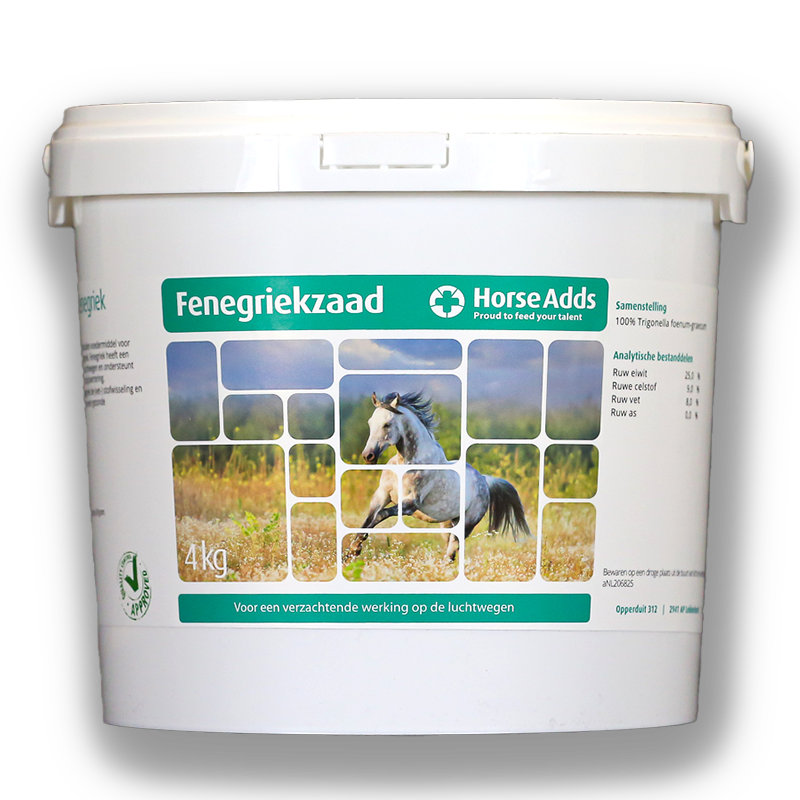
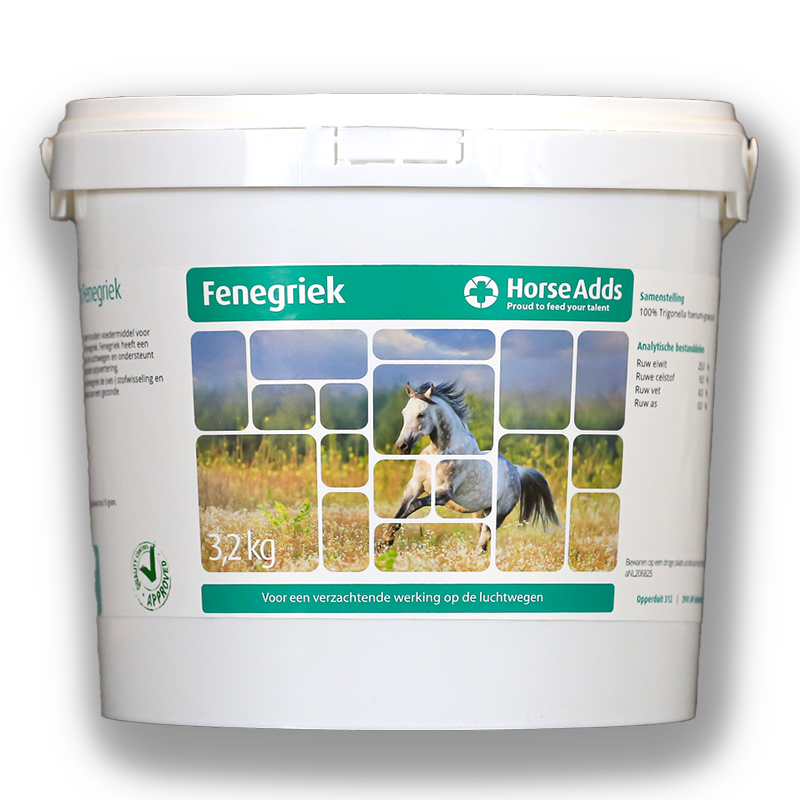
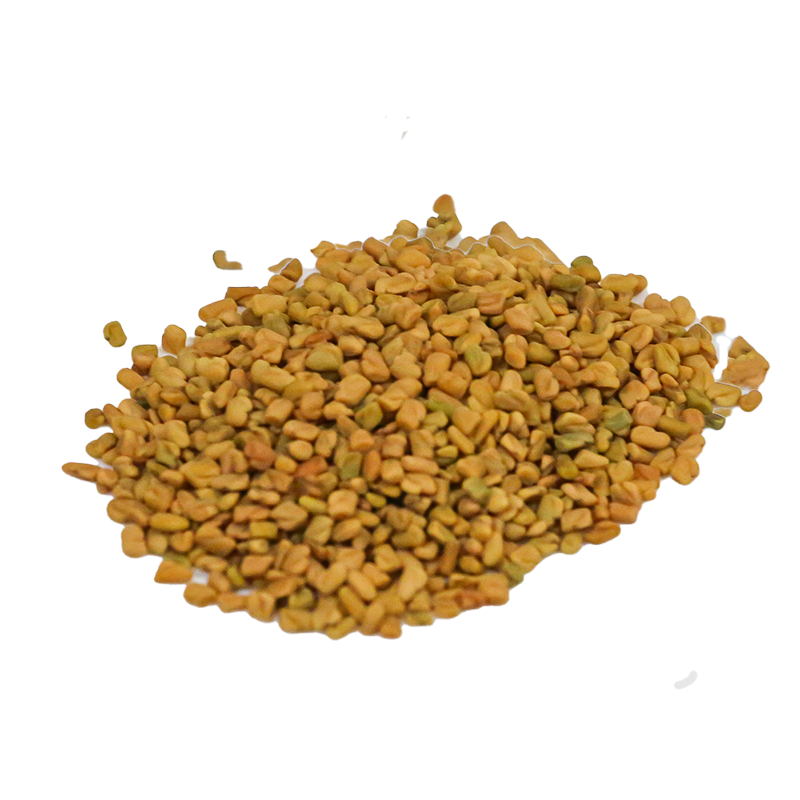
Fenugreek for horses, also called Trigonella foenum-graecum, is a plant in the legume family. Other names used are Fenugreek or "Greek hay. Both the leaves and the seeds of Fenugreek can be used, with horses primarily using the seed of the plant. Fenugreek has a spicy, slightly bitter taste and smells slightly like fresh hay.
What does fenugreek do for horses?
Fenugreek in horses, primarily, is often used when there are respiratory problems. In this, fenugreek has a soothing effect on the airways and can help dissolve stiff mucus. Thus, when there is a slight cough, slight mucus formation or trouble with pollen, fenugreek can provide support and relief. Fenugreek has other benefits, however. For example, research has shown that fenugreek can help lower the so-called postprandial glucose spike after a meal containing fast sugars and contributes to normal blood glucose levels. In addition, fenugreek also supports fat metabolism, general digestion and promotes appetite.*
Horse cough
When is it harmless when a horse coughs and when is it better to call a veterinarian? A cough is a reflex of the body to cough up dust particles or mucus. It ensures that the lungs are protected. For example, a horse that comes outside from relatively warm stall air on a cold day may well give a cough. Cold air flows past the cough receptors and triggers the lungs to cough. Other irregularities detected by the cough receptors, such as dust particles, can also trigger a cough. Debris that does not belong in the lungs is expelled by this, which is not a problem. It is problematic, however, if the horse coughs frequently and intensely. This can damage the alveoli (irreparably) and it costs a lot of energy. So if your horse coughs very frequently and deeply, his appetite is reduced, he is lethargic or has a fever, the point of trying a natural supplement is over, you should always seek the advice of a veterinarian.
Dosage Fenugreek
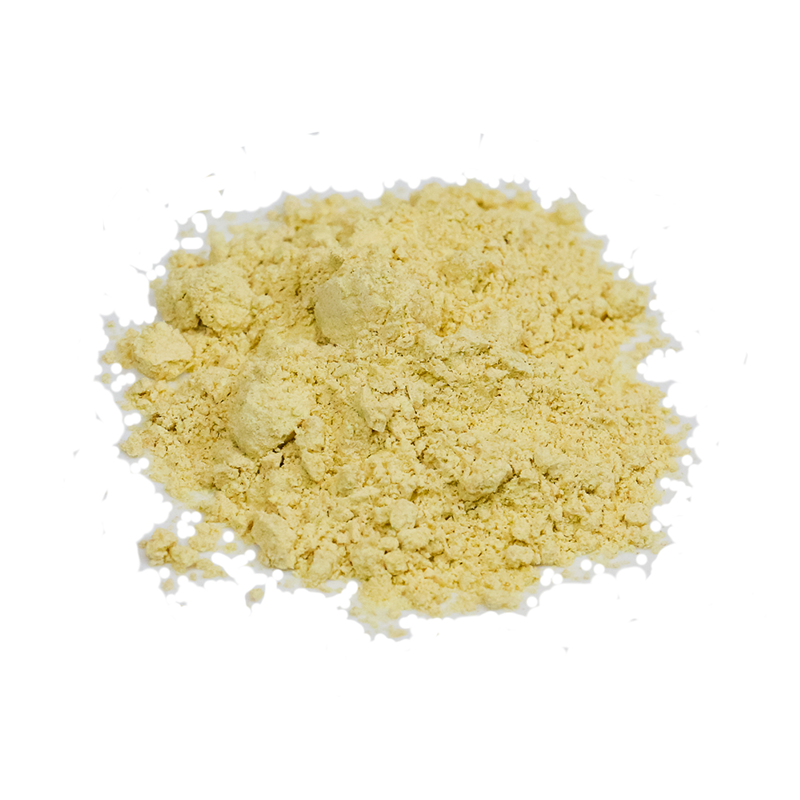
We recommend a dosage of nettle of 5 grams of fenugreek per 100 kg of body weight. This applies to both the seeds and powder variant. Both are pure and therefore without added flavoring or coloring.
*Evaluation of health claims are ongoing.