
Description
Vitamin A for Horses
Vitamin A is not produced in the horse's body. This means that your horse's entire daily requirement of vitamin A must be met through its feed. Fortunately, fresh grass contains a lot of vitamin A, in the form of beta-carotene, the precursor to vitamin A. However, not all horses get fresh grass every day, and vitamin A is very susceptible to loss during storage in roughage. Vitamin A is important for the reproductive system and the health of bones, skin, and muscles. It is also an important antioxidant, which is important for the immune system. One last fact about vitamin A: it is also called retinol, which sounds very similar to the word retina! Vitamin A is therefore important for a healthy retina, as it is essential for the production of the substance rhodopsin, which is needed to allow the eyes to adjust from light to dark. A deficiency can lead to night blindness and dry eyes.
Horses' need for vitamin A
The daily requirement for an adult horse is approximately 30 IU (International Units) per kilogram of body weight, which means that a 600 kg horse needs 18,000 IU of vitamin A per day. This requirement doubles for pregnant and lactating mares, and is also higher for working horses and young horses. Does your horse get enough fresh grass? Then don't worry about a deficiency, as the beta-carotene in the grass more than meets your horse's needs.
Symptoms of vitamin A deficiency
Fortunately, vitamin A deficiency is rare, but it can cause the following symptoms: night blindness or other eye problems, a dull coat, poor hooves, reduced immunity, poor focus, and breathing problems.
When to supplement horses with SIS Vitamin A
Most concentrated feeds provide sufficient vitamin A to meet basic requirements, as long as they are fed at the recommended dosage for your horse's body weight – this can be found on the packaging and is 3 to 4 kg for an average concentrated feed. If you feed little concentrated feed and your horse is not grazing on fresh grass, or your hay is already older, supplementation may be useful. Extra vitamin A may also be necessary for horses that do more intensive work, pregnant or lactating mares, and young horses.
Vitamin A from hay
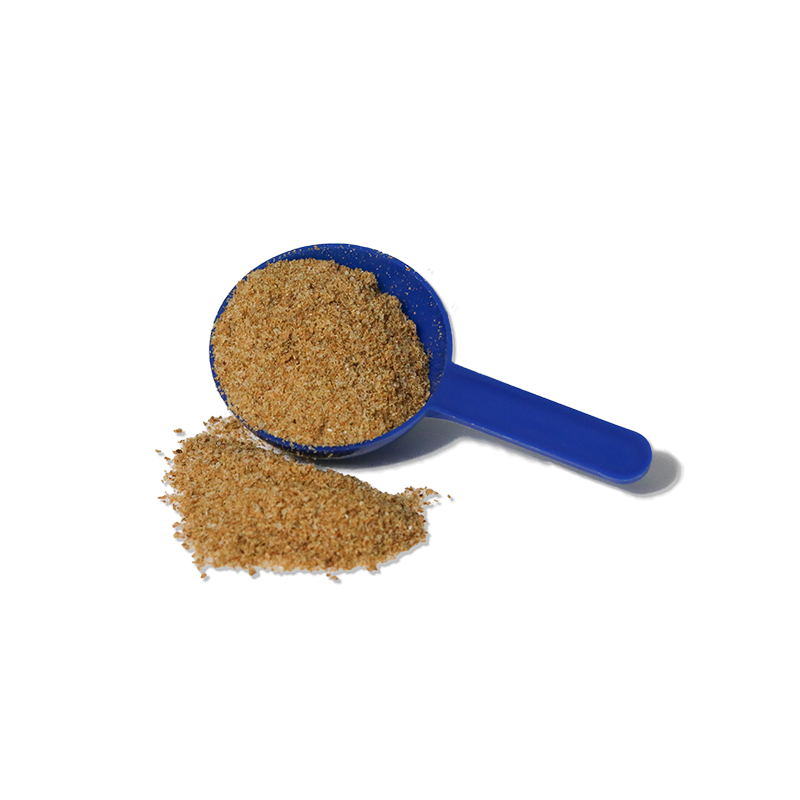
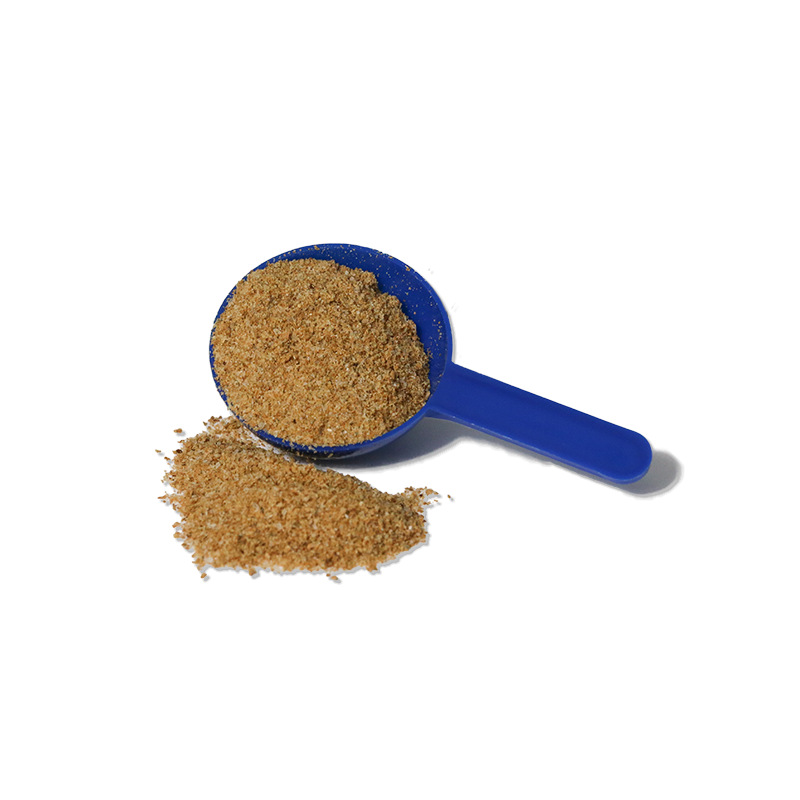
Vitamin levels are most susceptible to storage loss in roughage. In the case of vitamin A, this decline is particularly rapid. It is known that as much as 85% of the original content in grass is lost within the first 24 hours after mowing. Subsequently, an average loss of 7% per month during storage is known. Especially with older dried roughage, this means that the vitamin A requirement will not be met by the hay and that supplementation with concentrate feed is necessary. If you feed little or no concentrated feed and no Balancer, you can supplement the vitamin A content of your horse's diet with Horse Adds SIS Vitamin A. Each 10-gram dose adds 15,000 IU of vitamin A to your horse's diet.
If you are looking for more information or general nutritional advice, please contact us via WhatsApp or email us at info@horseadds.com.