Iron (accumulation) in horses
Iron is an important trace element, performing life-supporting functions in the horse's body. From growth to performance, nothing happens without iron. Iron is an indispensable component of hundreds of proteins and enzymes in the body. Unfortunately, iron also has an insidious dark side. In this blog, learn more about the importance of iron, as well as the dangers of an excess.
What are the essential functions of iron?
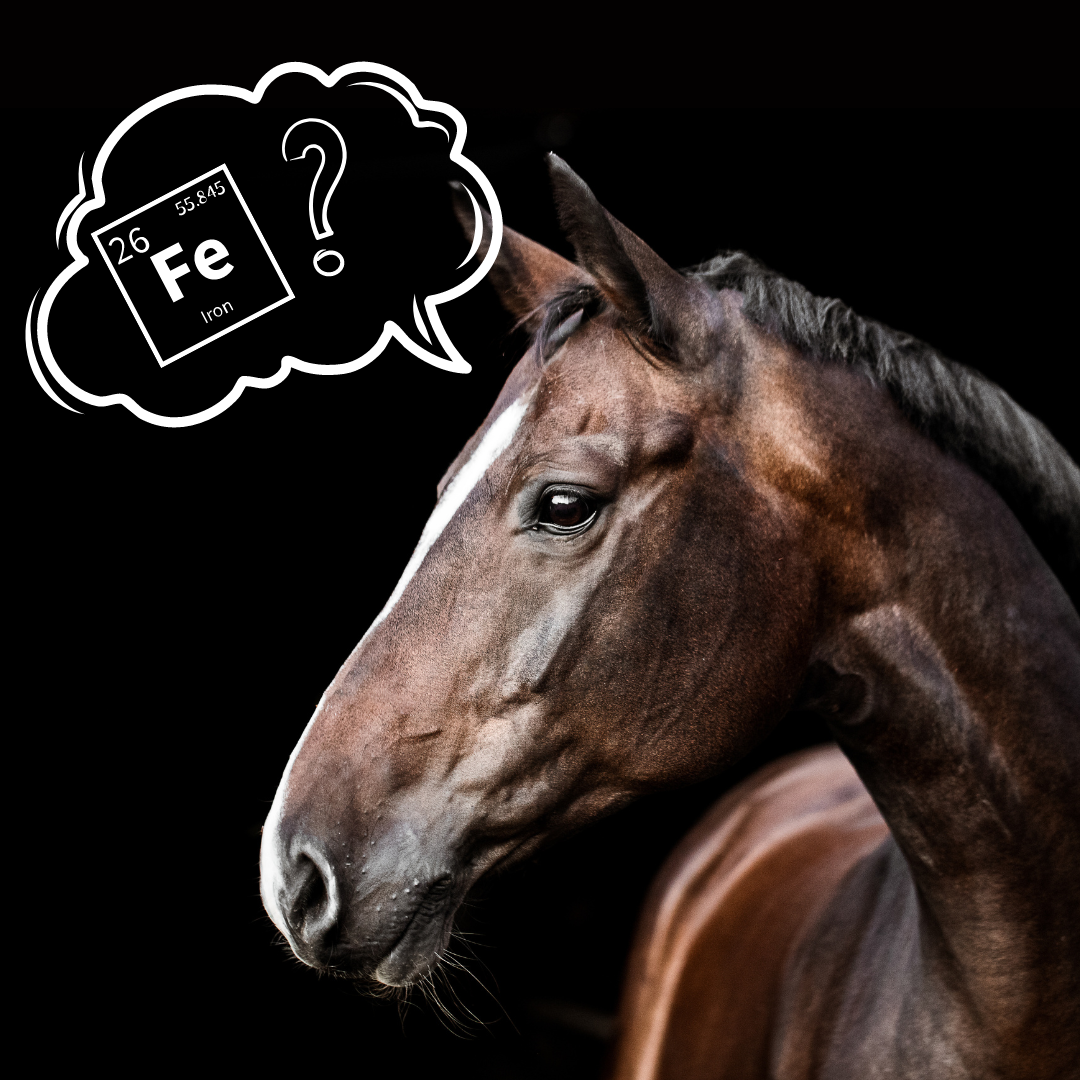
The most well-known role of iron takes place in red blood cells. Iron is needed for the production of hemoglobin, the main component of the red blood cell. Hemoglobin is needed for oxygen transport throughout the body. In the lungs, hemoglobin absorbs oxygen and is transported to all cells in the body. Iron is needed to produce energy in the body. In addition, iron contributes to a functioning immune system and is needed for the production of thyroid hormones.
Because of the important functions of iron, iron is commonly added in horse pellets and vitamin and mineral supplements. Since iron is necessary for the production of red blood cells, supplemental iron is regularly recommended for a horse with anemia. Only anemia in a horse is almost never related to iron deficiency. "But since it's so important, it can't hurt to supplement it anyway, just in case, right?"
So it is not, excess iron in the body can be very dangerous!
The daily iron requirement for a horse is 104-163 per 100 kg of body weight.
The dangers of iron (accumulation)
Some of the absorbed iron is used in the body; the rest is stored in the body. Once iron is in the body, it basically stays there. This iron accumulates and iron accumulation occurs. Iron is particularly stored in the liver, but it can also accumulate in other organs. Resulting in liver problems and organ failure. A high enough dose at one time can even kill a horse, especially foals are very sensitive, but toxicity will build up over time. Toxicity can occur at intakes from 1000 mg per 100 kg of body weight or at 500 mg per kg of dry matter.
High iron intake also affects the absorption of other minerals and trace elements. High iron intake blocks the absorption of zinc and copper, among others, resulting in zinc and/or copper deficiency. Discoloration of the mane and coat, problems with hoof quality are common signs of copper deficiency. Anemia in horses can actually be a result of copper deficiency (due to excess iron). This is because copper also plays a role in building red blood cells.
Also, there are studies that iron excess is associated with Insulin Resistance. Read the full study by DR. Eleanor M. Kellon:
Possible dysmetabolic hyperferritinemia in hyperinsulincemic horses
Drinking ditch and/or groundwater and iron (accumulation)
Not only does the horse get iron through diet, but drinking ditch water or pumped groundwater can be very dangerous for high iron intake. Especially in peatlands, the ditch and or groundwater contains too much iron. Several articles have been published in which iron accumulation, liver damage and even death from chronic iron poisoning can result from drinking from natural water sources.
Is your horse drinking ditch water? If so, have the water tested for iron levels!
Avoid feeds and supplements with added iron
Don't just give supplements in which iron has been added. Roughage and grass contains more than enough iron to meet your horse's needs. In addition, many horse feeds contain added iron. Because of the dangers of high iron intakes, our HorseAdds Balance and all of our supplements contain no added iron.
Are you unsure about your horse's ration? Fill out the Request Nutrition Advice and Custom Made form without obligation and mail it to info@horseadds.com.