
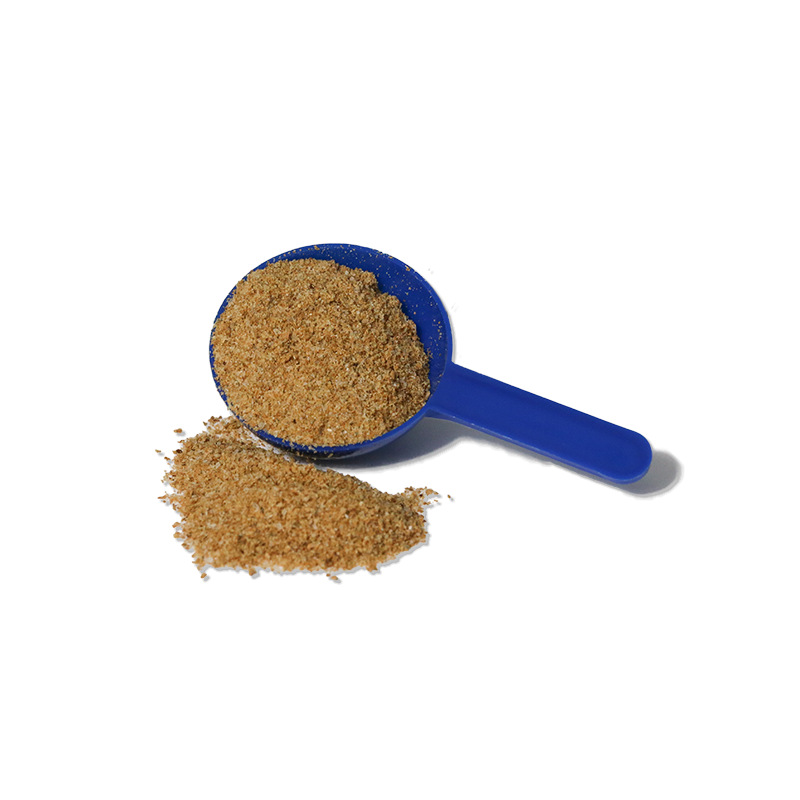
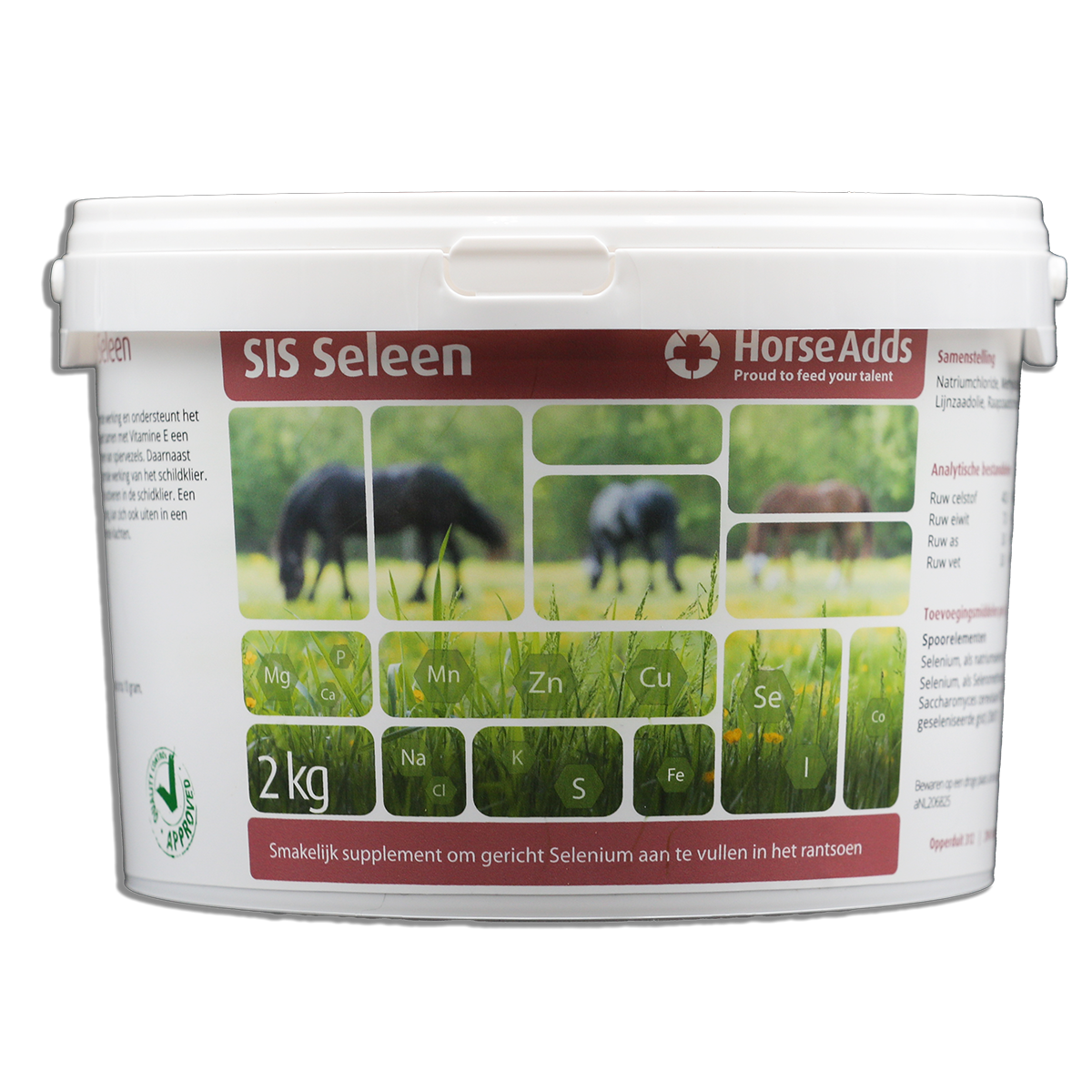
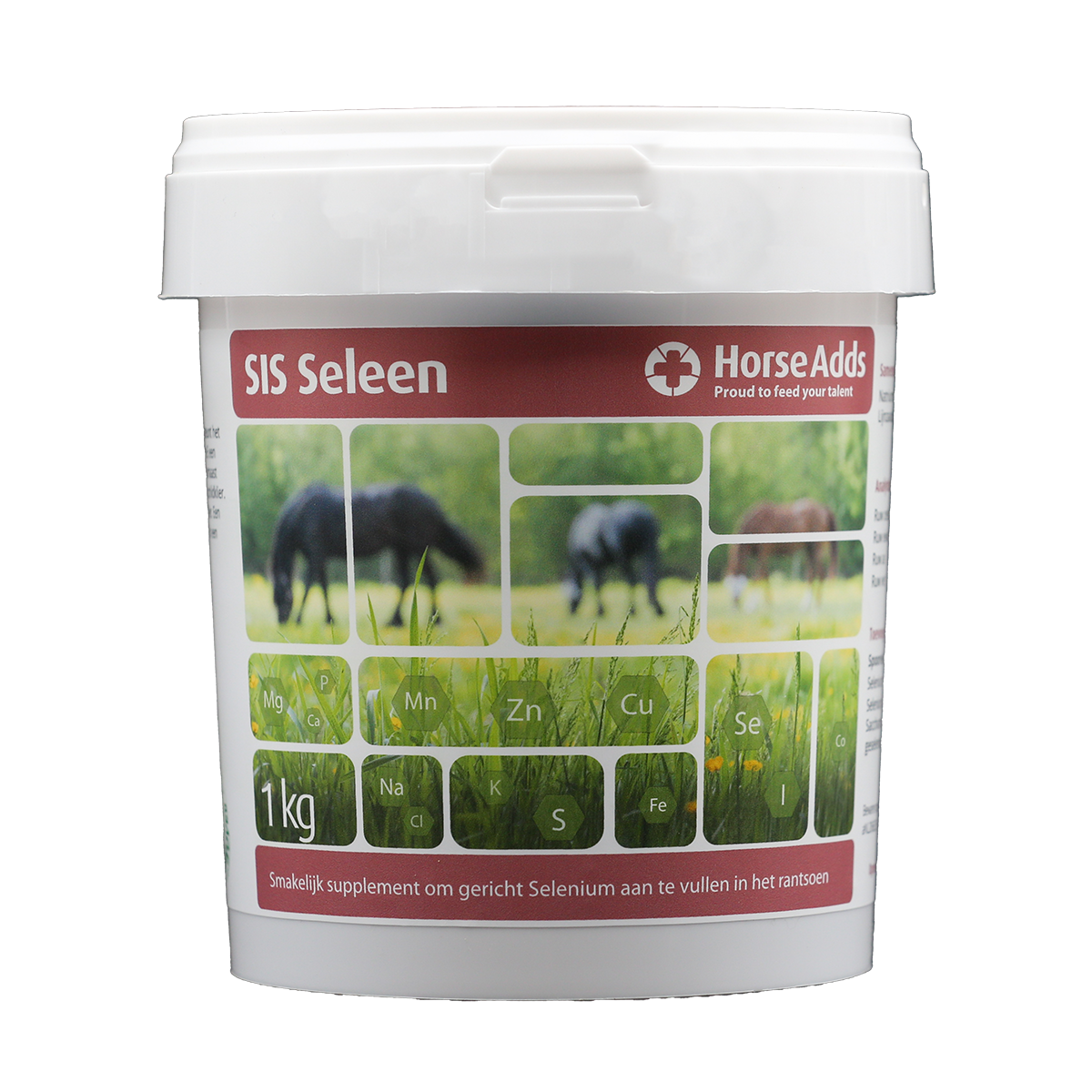
Description
Zinc, when it comes to absorption in the gut, is often under pressure. In fact, this absorption is affected by the levels of many other minerals and trace elements, such as iron, calcium and copper. Phytic acids and fatty acids can also reduce zinc absorption. Zinc is important for healthy skin and coat. In addition, zinc supports the immune system. With HorseAdds SIS Zinc, you can easily supplement a deficient ration.
Whereas zinc levels in forage still vary sometimes, on most Dutch soil types we are used to higher iron levels. A high intake of iron affects zinc requirements, the ratio of iron to zinc should be about 10:4. The ratio to copper is also important in zinc uptake, it should be copper:zinc = 1:3. Depending on how the soil is worked, sulfur may also be more abundant in forage, another element that affects zinc absorption. Not surprisingly, the different average actual uptake of zinc is only 5-15%. This while zinc does play a major role in numerous different body processes.
Horses on the grass
Extra attention should be paid to zinc when horses go out to grass in the spring. Increased protein intake, which certainly occurs regularly on spring grass, can lead to increased use of liver-dispensing enzymes and thus a higher need for zinc. When you maintain a ration of grains, because of the phytic acids in them, it is also important to monitor or increase the zinc allowance.
When to add extra zinc
Zinc deficiency is most pronounced during the hair change. If your horse has dry and sensitive skin, extra zinc can support the skin's ability to recover.
If you are looking for more information or overall nutritional advice, please contact us. We can be reached by phone at 0180 - 239 560.