
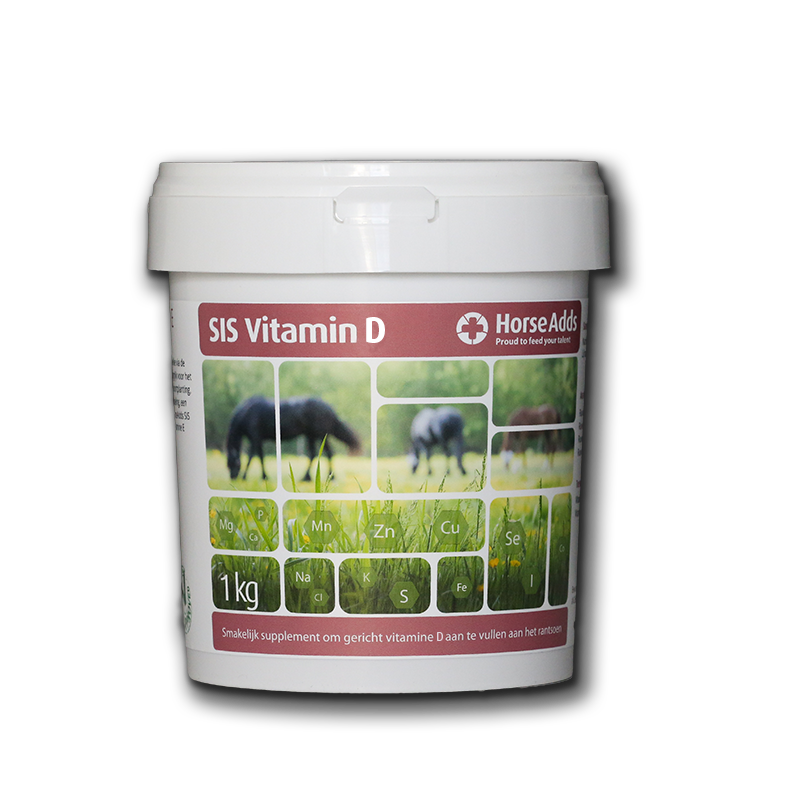
Description
Selenium supplement for Horses
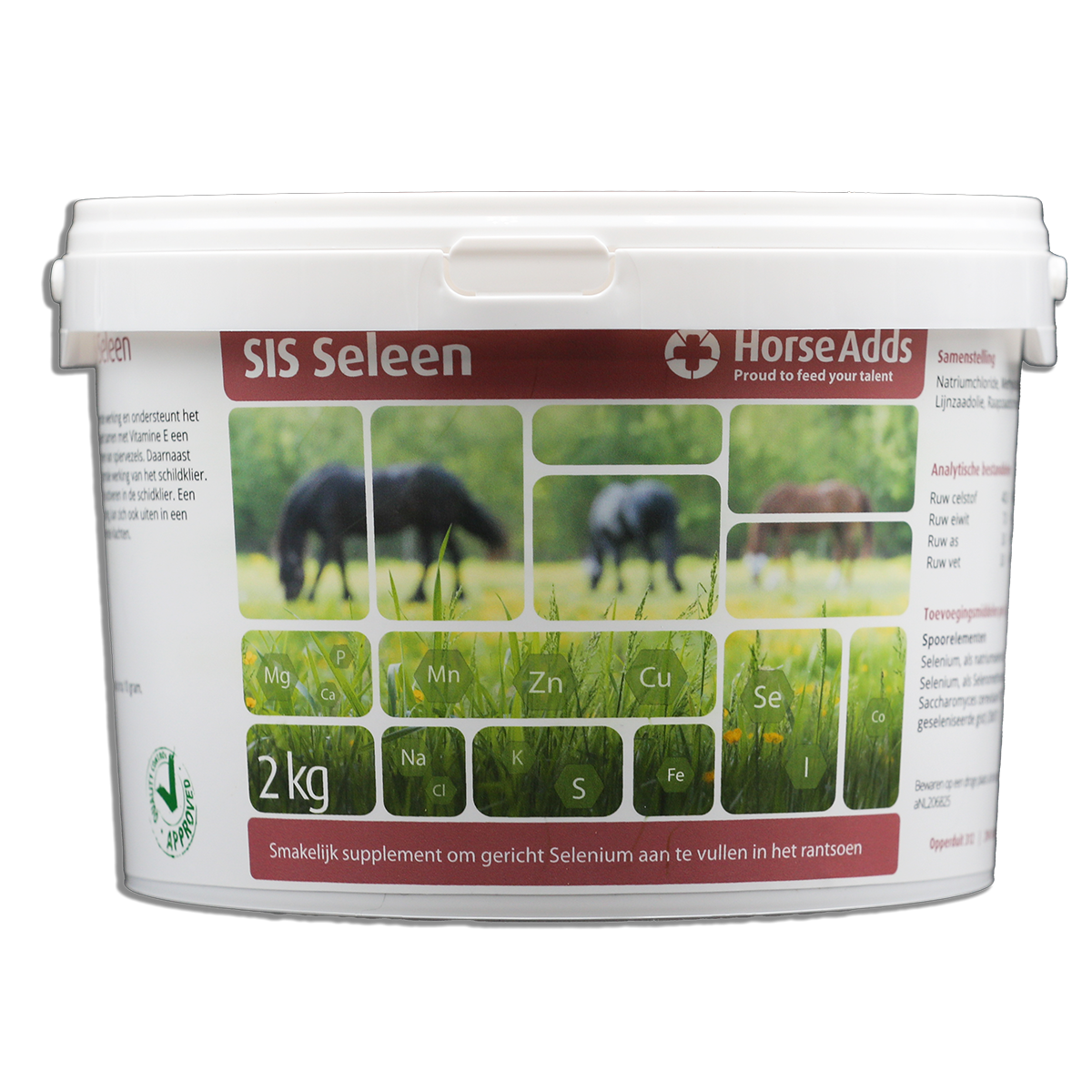
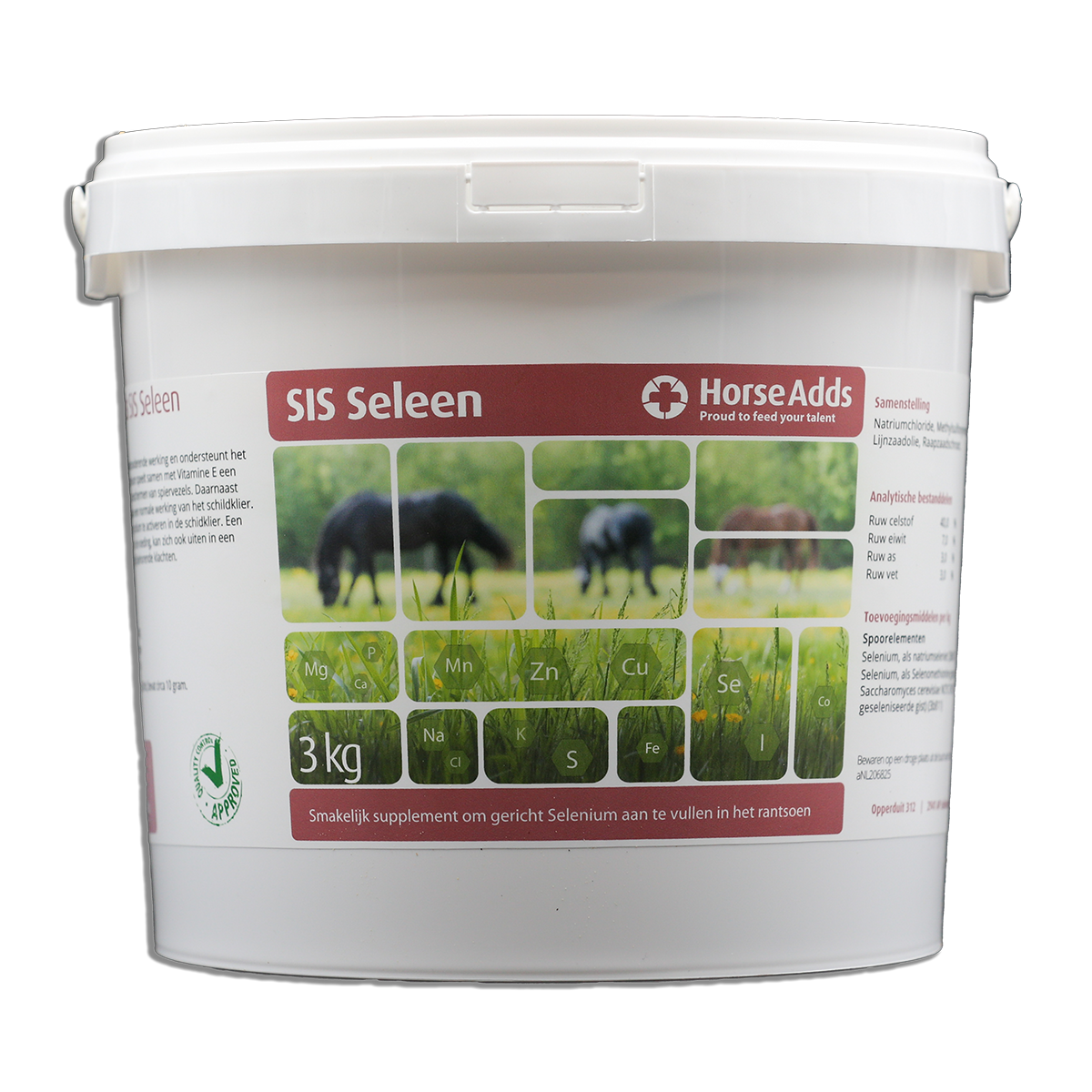
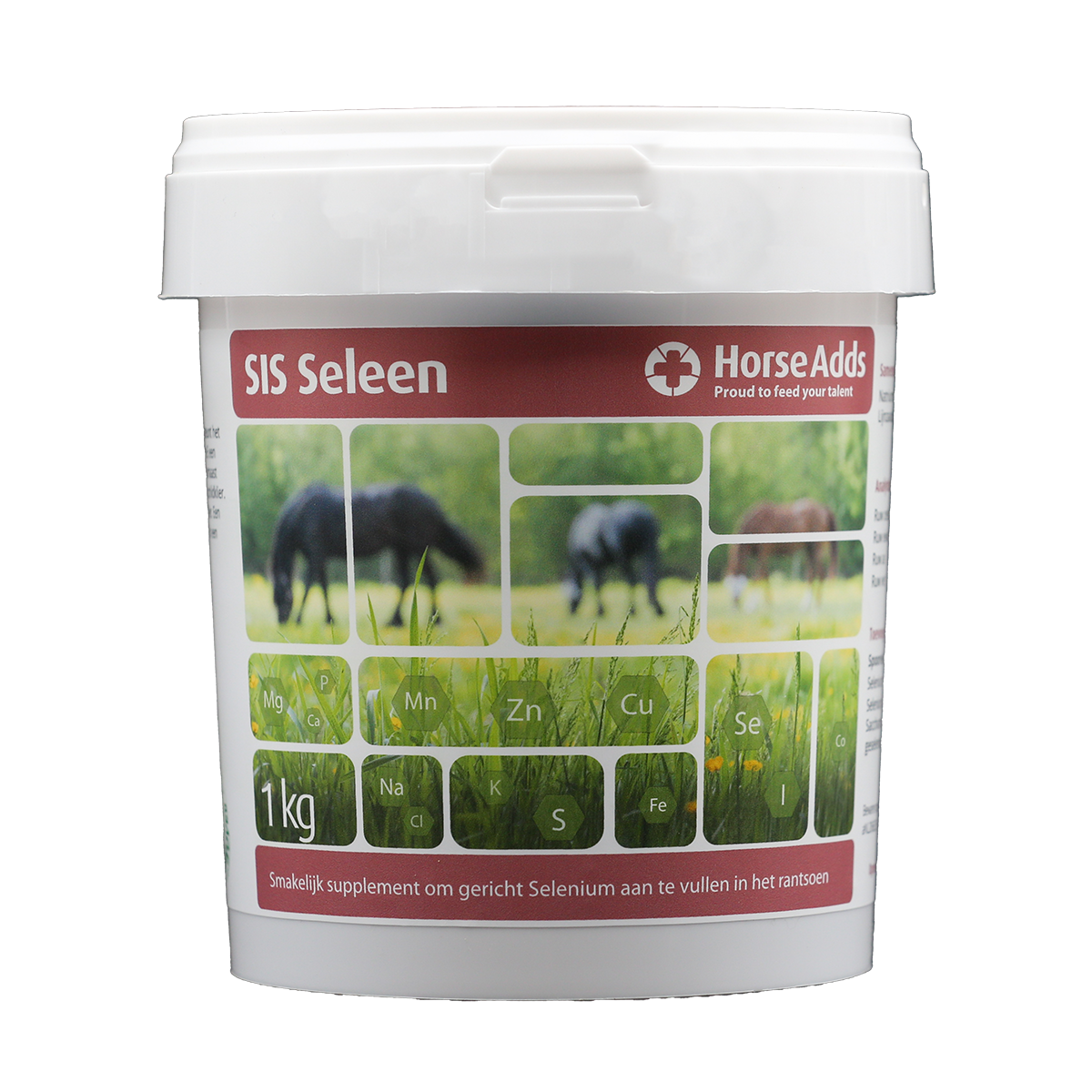
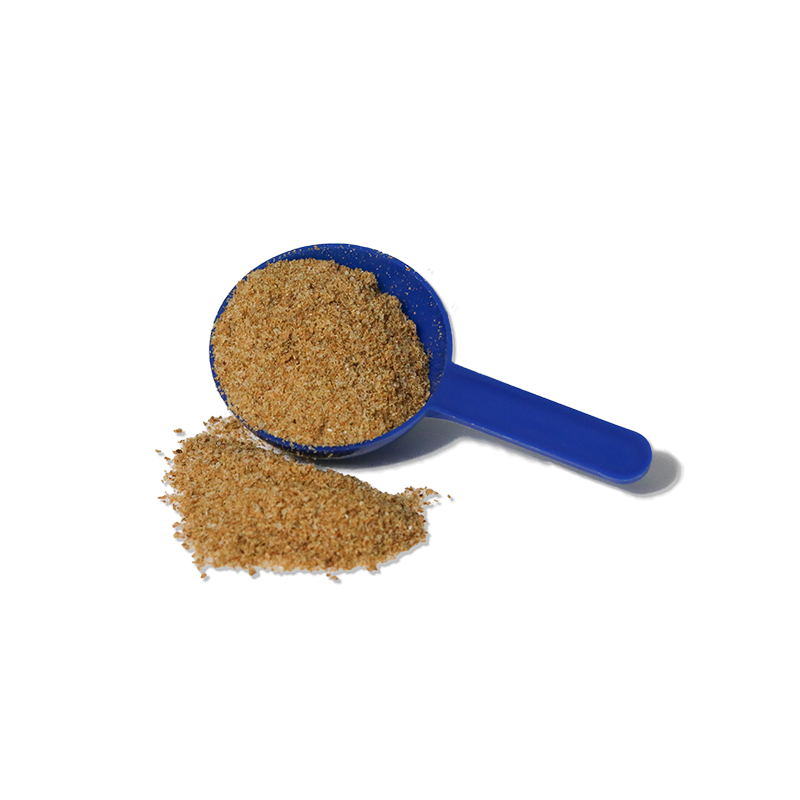
Selenium for horses. One of the most common deficiencies in grass and forage from both the Netherlands and Germany is Selenium. Added to this is the fact that the dosage in the vast majority of concentrate feeds and supplements is quite low due to safety concerns. Selenium deficiency often goes together with vitamin E deficiency and together they play an important role in muscle recovery after intensive work. Not only does Vitamin E interact with Selenium, so does Iodine. Selenium is needed to activate Iodine in the thyroid gland. Deficiency of Selenium in the ration, can also cause iodine deficiency. With HorseAdds SIS Selenium pellet, you can precisely supplement a selenium deficiency in the ration.
What is Selenium?
Selenium is an antioxidant that may contribute to proper metabolism and immune system support. Together with vitamin E, it may help protect cells from free radical damage. Selenium occurs naturally in hay and grass, but the amount can vary depending on soil quality. In regions with selenium-poor soils, which is common in the Netherlands and Germany, it may be necessary to supplement selenium through concentrates or supplements.
What does Selenium do for horses?
Selenium acts as an antioxidant and together with vitamin E it contributes to optimal resistance and protects muscles from free radicals. In addition, Selenium is indispensable for good fertility. In stallions, Selenium is important for the formation of sperm cells and the functioning of the testes. Selenium is also needed to make the antioxidant Glutathione peroxidase in the body. Glutathione peroxidase is needed in the production of testosterone. Stallions need about 3 mg/day of selenium.
Symptoms of a Selenium deficiency
Selenium deficiency can affect equine health. In foals, it could potentially contribute to muscle weakness, also known as "white muscle disease." This can manifest as difficulty standing or moving. Deficiency can also contribute to decreased resistance, potentially making horses more susceptible to infections. In addition, deficiency can potentially affect growth and fertility.
Excess Selenium (Selenose or also called selenium poisoning)
Selenium is a trace element, a mineral of which only a small amount is needed. An excess of Selenium, also called Selenose, can be harmful to horses. It can potentially lead to hair loss, weak or split hooves and neurological problems. In rare cases, excessive intake could even have serious consequences. Get advice from your veterinarian or contact our nutritional experts.
If you are looking for more information or overall nutritional advice, please contact us. We can be reached by phone at 0180 - 239 560.