
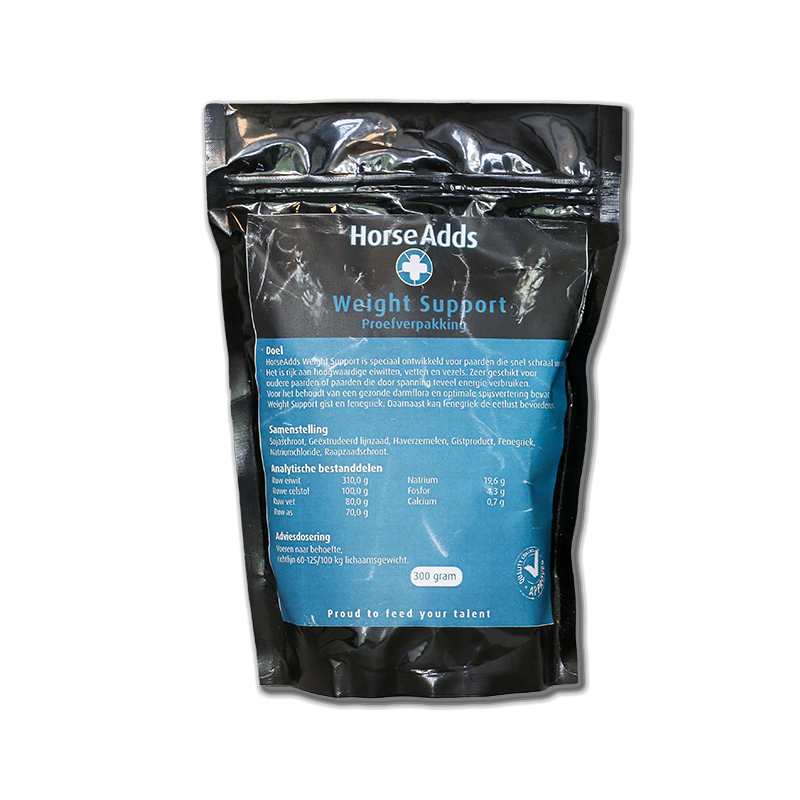
Description
What are Soy hulls?
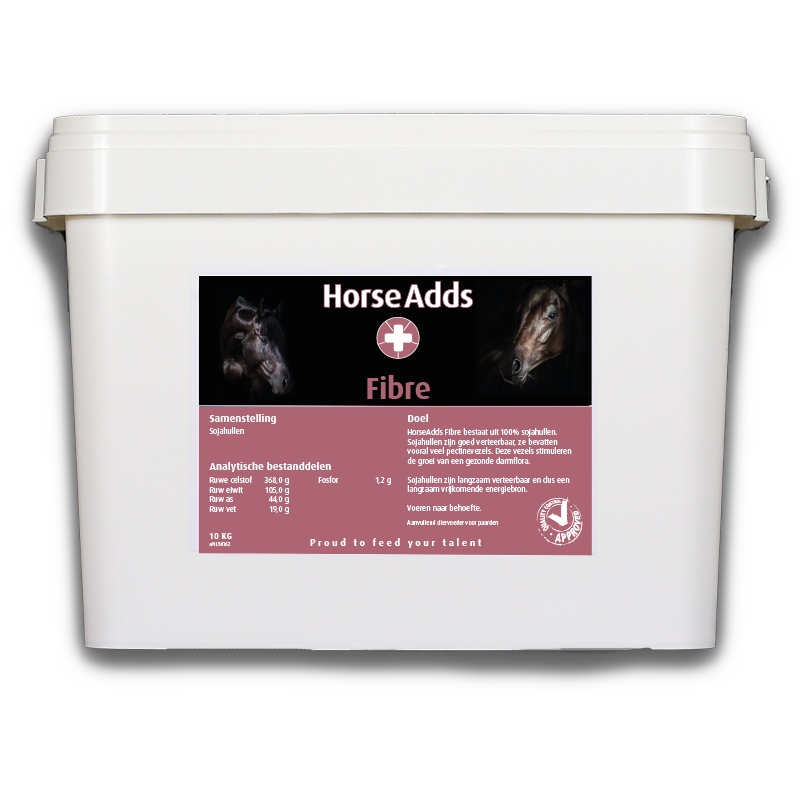
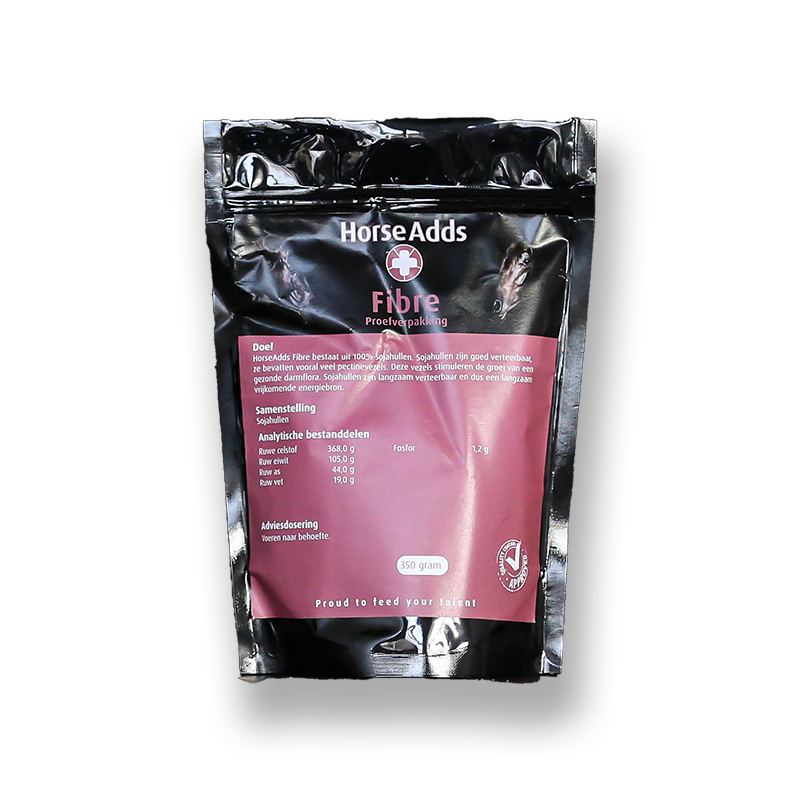
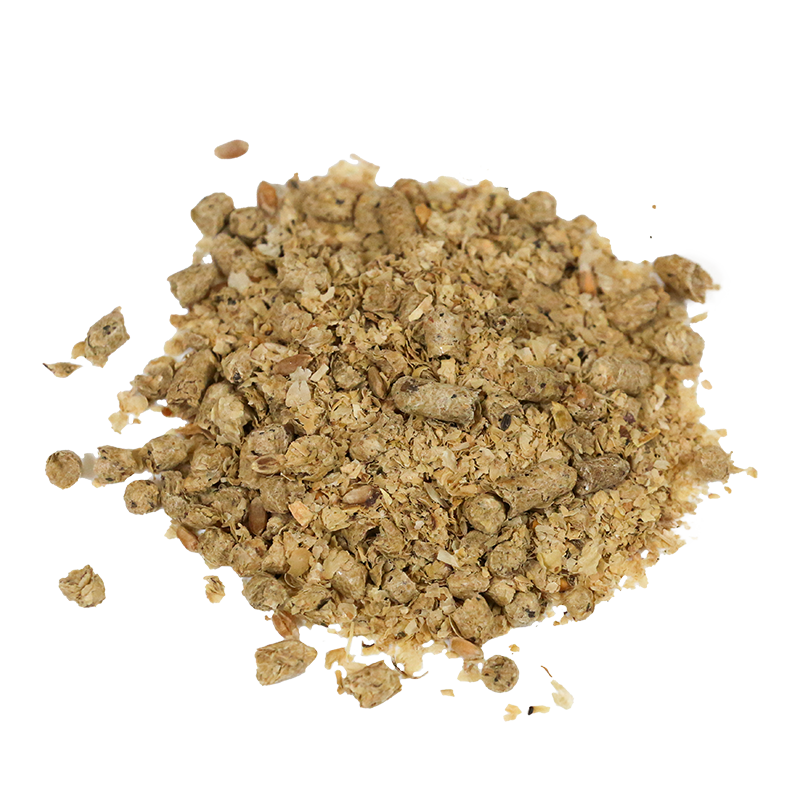
Soy hulls are by-products of the soybean processing industry. They are obtained after removing the outer skin of the soybean during the production of soybean meal and soybean oil.
Nutritional value of soybean hulls
Fiber-rich: Sufficient fiber is essential for horses. They are digested in the large intestine by bacteria, also called fermentation. This creates volatile fatty acids which are used as an important source of energy. Fiber is slowly digestible and thus slowly released energy sources. However, not all fiber is easily digestible for horses. Soy hulls are an easily digestible and rapidly fermentable source of fiber, they are not called "super fibers" for nothing. This is because they are rich in pectin fibers, these stimulate the growth of healthy intestinal bacteria (gut flora) and accelerate their fermentation.
Energy: Soy hulls contain only a moderate amount of energy, allowing them to serve as an additional source of energy with the fiber content of roughage/hay without providing explosive, too fast or too much energy.
Protein: Although soybeans have less protein as the beans themselves, they contain more protein on average as, for example, beet pulp.
Low in sugar: Soybean hulls, similar to beet pulp in fiber and pectin content, contain much less sugar per kg; only 18 grams per kg on average versus 125 grams on average in beet pulp.
Use of Soy Hulls in Horses
Soy hulls are sometimes added to horses' diets for a variety of reasons:
Fiber intake: High fiber content can help promote healthy bowel function and can be a useful addition to the diet of horses receiving low-quality roughage or requiring additional fiber.
Energy source: Soy hulls can serve as an additional source of energy without the risks associated with feeding large amounts of grain.
Weight Management: They can be useful for horses that need extra energy without excessive calorie intake.
Administration and Dosage
The amount of soybean hulls that should be given to a horse depends on several factors, including the horse's weight, activity level, general diet and specific nutritional needs. Here are some general guidelines:
Supplementary Feed: Soy hulls are usually given as a supplementary feed, and not as a replacement for the main feed. They can be mixed with the horse's regular feed.
Quantity: A usual quantity can range from a few hundred grams to a few kilograms per day, depending on the horse's needs. It is important to consult with a veterinarian or equine nutritionist to determine the appropriate amount.
Introduction: Introduce soy hulls gradually into the horse's diet to minimize any digestive problems.