
Recognizing, Treating and Preventing Hoof Ulcer in Horses
Hoof ulcer in horses is a common problem. As a horse owner, it is important to monitor the condition of the hooves. Hoof ulcers are painful and can be serious. In this article, we explain how hoof ulcers occur, how to recognize the symptoms, how they are treated and what you can do to reduce the likelihood of hoof ulcers causing them.
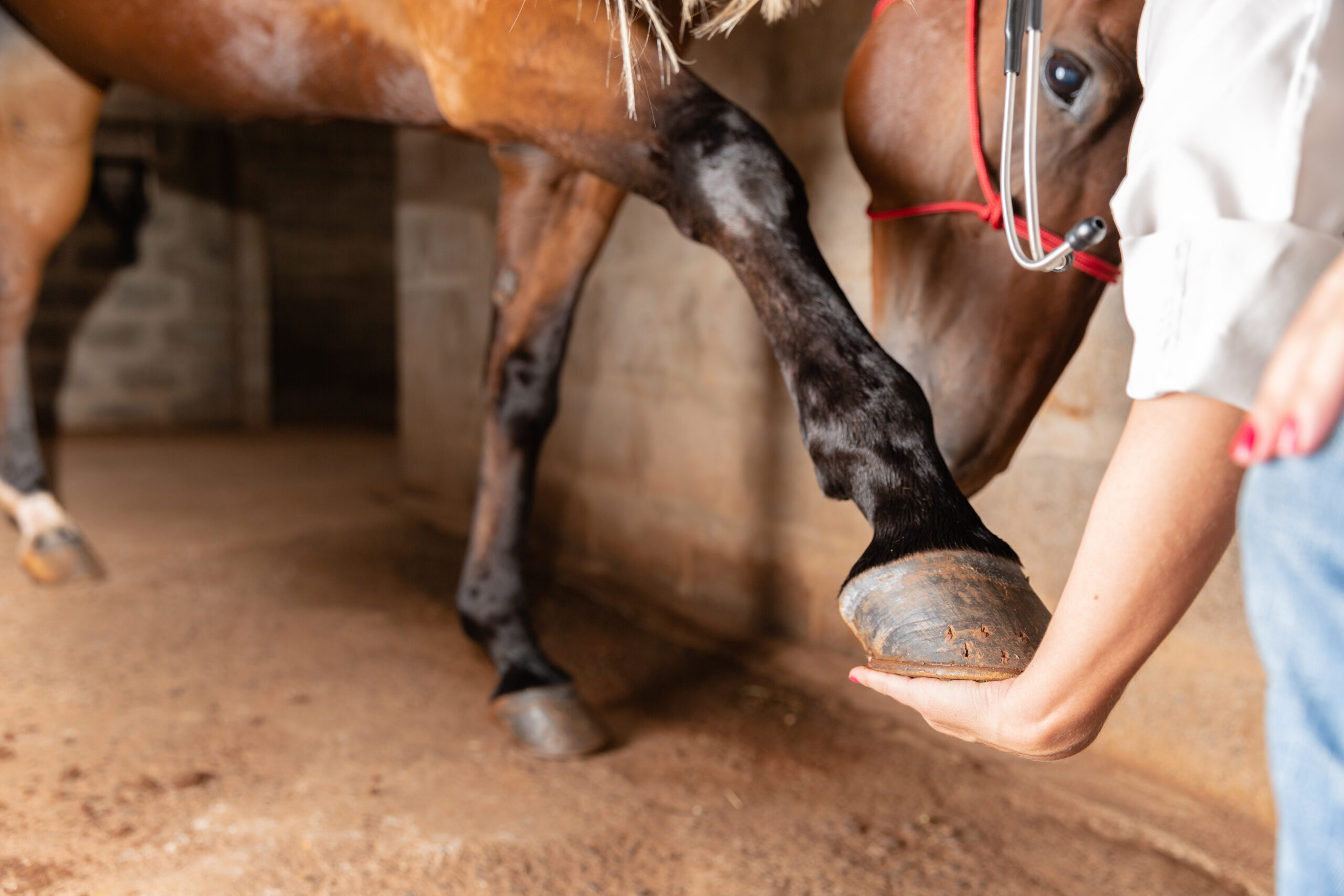
How does a horse get a hoof ulcer?
Hoof ulcer in horses. If your horse is suffering from a hoof ulcer, it means that inflammation has developed in the hoof. This can have several causes, including a bacterial infection or trauma to the hoof. A common cause is the entry of dirt and bacteria through a crack or damage in the hoof wall. Improper hoof position or a stable environment that is too wet can also contribute to the development of hoof ulcers. It is therefore important to regularly inspect your horse's hooves and ensure a clean and dry stable environment.
How does a horse with a hoof ulcer walk?
A horse with a hoof ulcer may walk lame and try to put less stress on the affected leg. This may manifest itself in resting its weight more on the other legs. In some cases, the horse may refuse to stand on the affected leg. In addition, movement may be stiffer or less supple, depending on the severity of the discomfort. The horse's behavior may also change; some horses become restless or react with restraint because of the experienced discomfort. These changes in movement and behavior may indicate a problem with the hoof.
Recognizing symptoms of a horse hoof ulcer
A hoof ulcer can be very painful for a horse and affect its movement and behavior. Possible symptoms of a hoof ulcer are:
- Lameness: The horse will have difficulty walking and shifting weight away from the affected leg.
- Heat in the hoof: This may indicate inflammation.
- Sensitivity: The horse may react sensitively when touching or cleaning the hoof.
- Pus discharge: In some cases, pus may be visible, but this is not always the case.
If you suspect your horse has a hoof ulcer, it is important to consult a veterinarian or farrier immediately. They can determine what is going on and begin appropriate treatment.
How is a hoof ulcer treated?
When a veterinarian or farrier diagnoses a hoof ulcer, he or she will open the ulcer to relieve pressure and remove the inflammation. This is done by making a small incision in the sole of the hoof where the ulcer is located. After opening the ulcer, the hoof is thoroughly cleaned and often bandaged to keep the wound clean and dry. In some cases, antibiotic treatment may be necessary to prevent further infection.
The healing process can take several weeks to months. Exactly how long it takes depends on the severity of the hoof ulcer and how quickly treatment is started.
Can you prevent hoof ulcers in horses?
You can reduce your horse's risk of hoof ulcers by proper barn management and daily hoof care. Here are some tips:
- Daily inspection: Clean hooves daily and check for damage, stones or dirt.
- Clean and dry stable: Provide a dry and clean stable environment and prevent your horse from standing on damp or dirty surfaces for long periods of time.
- Regular trimming: Have your horse's hooves trimmed regularly by a farrier to maintain proper hoof position.
- Support with nutritional supplements: Sulfur-containing supplements such as MSM and Biotin can contribute to horn health. Discuss with our nutritional experts whether these supplements are suitable for your horse. Further, keep in mind that the effect of supplements takes time because the metabolism of the horn is slow.
By taking these preventive measures, you can significantly reduce the risk of hoof ulcers. When in doubt or having problems with the hooves, it is always wise to consult an expert.